How To Select Stainless Steel Tees
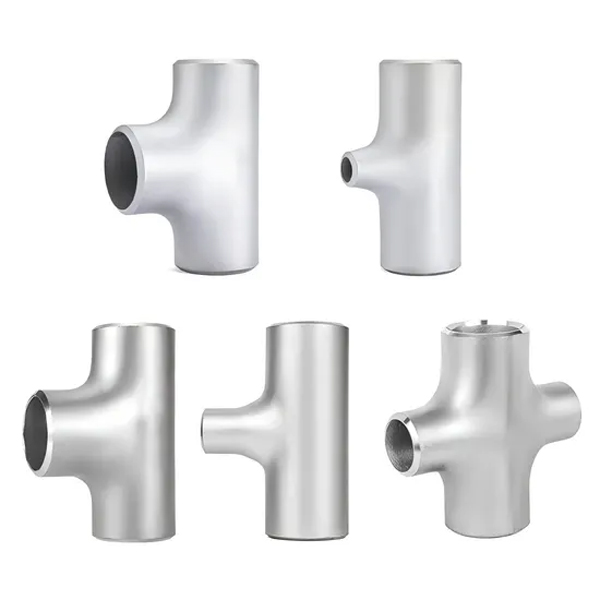
Stainless steel tees are common pipe fittings widely used in industries such as petroleum, chemical, power, food processing, medical, and papermaking. They are primarily used to connect three pipes, facilitating fluid flow distribution or convergence within the pipeline. Choosing the right 2 stainless tee is crucial for the proper functioning of the piping system. Here are some important factors to consider when selecting a stainless steel tee:
Material Selection
The material of the stainless steel t fitting directly affects its corrosion resistance, strength, and high-temperature resistance. Common materials include:
-
304 Stainless Steel: Offers good corrosion resistance, heat resistance, and processing performance, suitable for most conventional industrial applications.
-
316 Stainless Steel: Provides stronger corrosion resistance than 304 stainless steel, especially in marine or chemical industries, resisting chloride-induced corrosion.
-
2205 Duplex Stainless Steel: Offers higher strength and corrosion resistance, suitable for demanding working environments.
Choosing the appropriate material based on the actual application can effectively extend the service life of the tee and improve the overall performance of the piping system.
Pressure Rating
The pressure rating of the 1 2 inch stainless steel tee determines its performance under different fluid pressures. Common pressure ratings include:
-
PN16, PN25, PN40, etc.: These numbers indicate the maximum working pressure the tee can withstand, in MPa.
-
Applicable scenarios: Low pressure (PN16) is suitable for conventional water and gas transmission pipelines; high pressure (PN40) is mostly used for high-pressure pipelines such as oil and natural gas pipelines.
When purchasing, the appropriate pressure rating needs to be selected based on the working pressure of the pipeline system.
Pipe size and connection method
The size of the 1 2 npt tee stainless must match the diameter of the pipe and the connection method. Common connection methods include:
-
Welded type: Suitable for applications requiring high-strength connections, providing strong sealing.
-
Threaded type: Suitable for smaller pipes, easy to install and disassemble.
-
Flanged type: Typically used for large-diameter pipes, convenient connection, strong sealing.
The appropriate tee needs to be selected based on the actual size of the pipe and the connection method.
Fluid characteristics
Different fluids have different requirements for tees. For example:
-
Corrosive fluids: Such as acidic or alkaline liquids, require the selection of 316 stainless steel or duplex stainless steel with stronger corrosion resistance.
-
High-temperature fluids: If the temperature of the fluid in the pipeline is high, choose stainless steel with good high-temperature resistance (such as high-temperature resistant 304L or 310S stainless steel).
Selecting the appropriate tee according to the properties of the fluid ensures the safety and stability of the system.
Production Standards and Certifications
When selecting stainless steel tees, it is also necessary to pay attention to whether they meet international standards and have passed relevant certifications. Common standards include:
-
ISO 9001 Quality Management System Certification
-
ASME, ANSI, DIN, etc. Standards
-
CE Certification, etc.
Products that meet these standards have more guaranteed quality and can effectively ensure their reliability in complex environments.
Cost and Supplier Selection
Cost is another factor that cannot be ignored. Although high-quality 1 2 ss tee are more expensive, they often have a longer service life and greater stability, reducing long-term maintenance costs. Choose reputable suppliers to ensure product quality and require suppliers to provide relevant technical support and after-sales service.
Conclusion
When selecting stainless steel tees, it is essential to consider multiple factors, including material, pressure rating, pipe size, and fluid characteristics. A proper selection can improve the safety, reliability, and economy of the piping system, thereby reducing maintenance costs and extending service life. We hope this article provides valuable guidance for your selection of 1 4 npt tee stainless.